
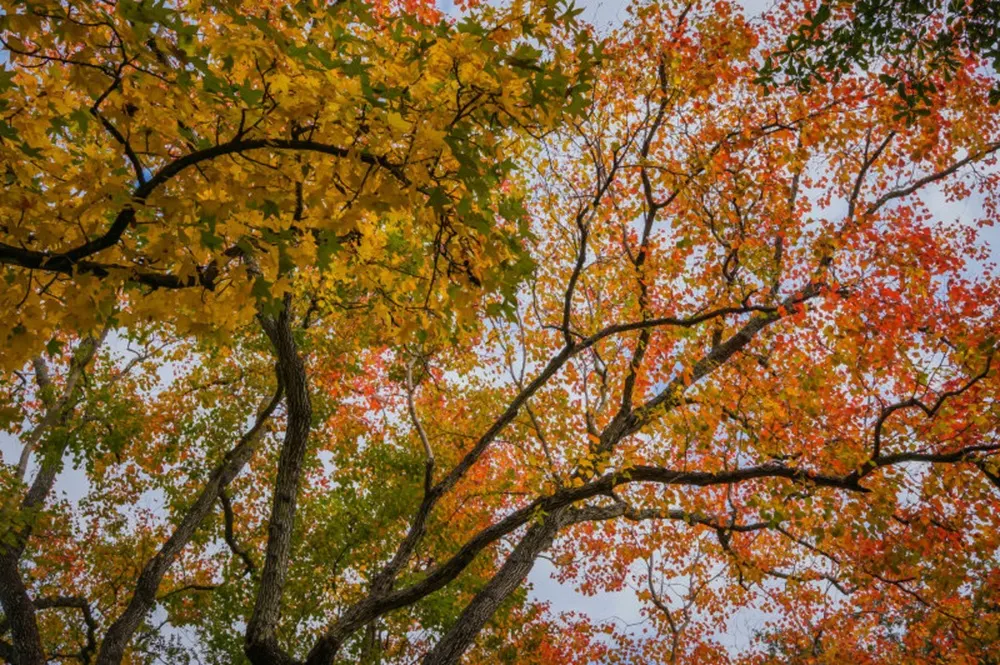
Why Seasonal Tree Care Matters in Ottawa
Tree care isn’t a one-time task; it’s a year-round commitment that supports tree vitality and safety in all weather conditions. At Valley Tree Services, we understand the specific challenges that Ottawa’s climate presents. With temperatures swinging from -30°C in winter to 30°C in summer, trees must withstand freeze-thaw cycles, drought stress, heavy snow, and pest infestations.
Effective seasonal tree care provides:
- Improved structural stability through scheduled pruning and inspections
- Disease and pest resistance with proactive treatments and monitoring
- Enhanced property value and curb appeal from healthy, well-shaped trees
According to the International Society of Arboriculture (ISA), the timing and method of seasonal care activities significantly affect tree health. Tree owners who follow a tailored care plan reduce risk and enjoy longer tree lifespans.
Schedule a Tree Inspection & Risk Assessment with our certified arborists to develop a customized plan.
Spring Tree Care Tips
Spring is a crucial time for identifying winter damage and initiating new growth. As snow melts and soil warms, trees shift into active development.
Essential Spring Maintenance:
- Inspect for winter injury: Look for broken limbs, split bark, or frost cracks.
- Prune dead or damaged branches: Promotes healthy new growth and eliminates disease vectors.
- Mulch application: A 2–4 inch layer retains soil moisture and prevents weeds. Keep mulch 2 inches away from the trunk.
- Soil testing and fertilization: Boost nutrient-deficient trees with slow-release, tree-safe fertilizers.
“Spring tree care sets the foundation for the entire growing season. Missing this window can delay growth and stress young trees.” — ISA Arborist
Summer Tree Care Strategies
Ottawa’s hot, dry summers present unique challenges, especially for young or recently planted trees. Drought conditions and high UV exposure increase moisture loss and weaken defense against insects.
What to Do in Summer:
- Deep watering: Once or twice per week at the drip line. Use a soaker hose for slow penetration.
- Inspect foliage: Yellowing leaves, chewing damage, or sticky residue may signal pests like aphids or scale.
- Avoid pruning: Summer pruning can stress trees unless it’s to remove storm-damaged limbs.
- Maintain mulch: Refresh mulch to reduce surface evaporation and root temperature spikes.
Trees under five years old are most vulnerable. Ensure they receive twice-weekly hydration during heatwaves.
Fall Tree Care Preparation
As temperatures cool, trees prepare for dormancy. Fall is the optimal time to strengthen root systems and clear away decay.
Seasonal Focus:
- Remove deadwood and weak limbs: Reduces hazards from snow accumulation and ice storms.
- Water deeply before the ground freezes: Hydrated roots survive cold better.
- Apply compost or organic fertilizer: Replenish nutrients depleted during the summer.
- Plant new trees: Fall offers cooler soil and reliable rainfall for root development.
Did you know? Fall is the best time to plant deciduous trees in Ottawa because they focus energy on root growth.
Winter Tree Care Essentials
Even in dormancy, trees can suffer damage during Ottawa’s icy, windy winters. Preparing for storms and freezing temperatures is essential.
Critical Winter Tasks:
- Structural pruning: Late winter is ideal for shaping without disturbing growth cycles.
- Snow and ice removal: Gently clear heavy snow from branches to avoid breakage. Avoid shaking frozen limbs.
- Wrap young trees: Protect against sunscald and rodent gnawing with tree guards or burlap.
- Emergency assessments: After major snow or wind events, check for leaning trunks or cracked limbs.
Ottawa Seasonal Tree Care Checklist (Zone 5a–5b Climate Guide)
Understanding what to do each season helps prevent climate-related stress, pest outbreaks, and structural failure. Use this Ottawa-specific seasonal checklist to stay ahead of common tree health issues.
| Season | Primary Risks in Ottawa | Recommended Tree Care Actions | Why It Matters |
| Spring | Winter damage, fungal spores, pest emergence | Inspect bark cracks, prune deadwood, apply mulch, inspect buds | Encourages healthy canopy growth and reduces disease pressure |
| Summer | Heat stress, drought, storm breakage | Deep watering, soil monitoring, structural pruning, pest inspection | Prevents dehydration and storm-related limb loss |
| Fall | Snow load risk, nutrient depletion | Remove deadwood, apply compost, hydrate before freeze | Improves winter resilience and root strength |
| Winter | Ice storms, frost cracks, heavy snow | Dormant pruning, snow load management, hazard inspection | Reduces structural damage and spring dieback |
Year-Round Tree Care Best Practices
Consistency is the secret to long-lasting tree health. Ongoing actions to include:
- Schedule inspections every 6–12 months for disease or pest signs
- Soil aeration and testing are done annually to support nutrient uptake
- Mulch renewal every season to maintain soil temperature and moisture
- Stay bylaw-compliant by reviewing Ottawa Tree Removal Permits
Common Tree Care Mistakes to Avoid
Avoid these common pitfalls to protect your landscape investment:
- Tree topping: Leads to weak, unsafe regrowth and shortened tree lifespan.
- Improper pruning timing: Avoid pruning during pest seasons or drought stress.
- Overwatering or underwatering: Adjust based on soil type, species, and weather.
Conclusion – Get Year-Round Tree Care Help
Ottawa’s climate demands seasonally adjusted care. Let Valley Tree Services:
- Prune safely in spring and winter
- Monitor pests in summer
- Prepare your trees for winter
Our ISA-certified arborists deliver expert solutions tailored to your property.
Call 343-633-2155 or Request a Quote today!
Valley Tree Services
Address: 5687 Old Richmond Rd Ottawa, ON K2R 1G4
Phone Number: (613) 882-7384
Google Maps: Find Us Here
Business Hours:
Monday: 7AM To 6PM
Tuesday: 7AM To 6PM
Wednesday: 7AM To 6PM
Thursday: 7AM To 6PM
Friday: 7AM To 6PM
Saturday: 7AM To 5PM
Sunday: 9AM To 5PM
Frequently Asked Questions About Seasonal Tree Care in Ottawa
1. How often should trees be inspected in Ottawa?
Trees in Ottawa should ideally be inspected every 6–12 months, especially after major storms or harsh winters. Freeze-thaw cycles and heavy snow loads can weaken branches and create hidden structural issues. Valley Tree Services recommends seasonal inspections to prevent unexpected failures.
2. How do I protect my trees from Ottawa’s winter damage?
Winter protection includes wrapping young trunks to prevent sunscald, removing heavy snow buildup carefully, and pruning weak limbs before ice storms arrive. Hydrating trees deeply in late fall also improves cold tolerance by strengthening root systems.
3. What signs of winter damage should I look for in spring?
After Ottawa winters, look for cracked bark, hanging branches, leaning trunks, or sparse budding compared to previous seasons. Frost cracks and broken limbs from snow load are common and should be assessed by a certified arborist to prevent further decline.
4. Is fall a good time to plant trees in Ottawa?
Yes. Fall is one of the best times to plant deciduous trees in Ottawa because cooler soil temperatures encourage root establishment without the stress of summer heat. Trees focus energy on root growth before entering dormancy.
5. Can pruning at the wrong time damage my tree?
Yes. Pruning during active pest seasons or extreme heat can stress trees and increase vulnerability to insects and disease. Timing matters, which is why Valley Tree Services develops seasonal pruning plans tailored to Ottawa’s climate conditions.
6. How does Ottawa’s freeze-thaw cycle affect tree health?
Repeated freeze-thaw cycles can cause frost cracks, bark splitting, and root stress. Proper mulching and fall hydration reduce soil temperature fluctuation and protect roots from winter damage.
7. How can I prevent storm damage to trees in Ottawa?
Preventative pruning to remove weak or crossing branches, proper cabling for structurally vulnerable limbs, and routine inspections before storm season significantly reduce risk. Valley Tree Services recommends proactive care before heavy summer thunderstorms or winter ice storms hit.
8. Should I fertilize my trees every year?
Not always. Fertilization depends on soil quality and tree health. A professional soil test determines nutrient deficiencies. In Ottawa, slow-release fertilizers are often applied in spring or fall to avoid overstimulation during summer stress periods.
9. How does Ottawa’s soil type affect tree health?
Ottawa’s soil varies from clay-heavy urban lots to sandy areas near the Ottawa River. Clay soils can retain excess moisture, increasing root rot risk, while sandy soils drain quickly and may require more frequent watering. Understanding your soil type helps determine proper watering and fertilization strategies.
10. When should I call a certified arborist instead of handling tree care myself?
You should contact a certified arborist if you notice leaning trees, cracked limbs, significant deadwood, pest infestations, or if pruning requires climbing or equipment. Valley Tree Services provides safe, professional tree care throughout Ottawa to prevent injury and property damage.
